Products
Explore our full poultry catalogue arranged pair-by-pair in canonical sequence. Smooth continuous scrolling with direct enquiry support.
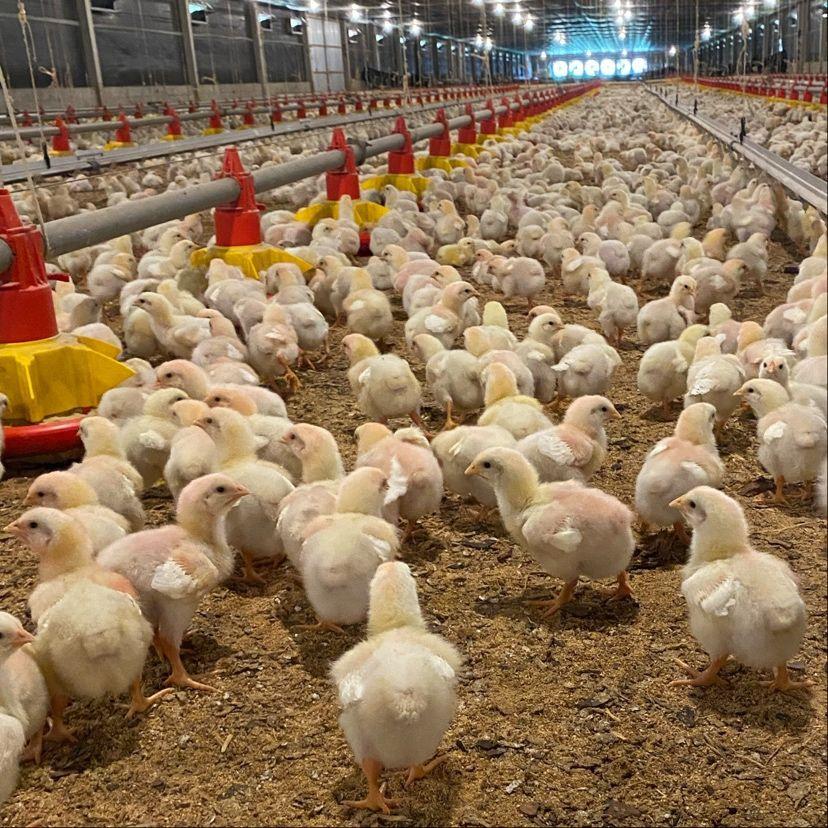
Broiler Chicks
They grow very quickly and usually reach market weight in about 5–7 weeks. They need clean water, nutritious feed, proper temperature, and good ventilation. Good hygiene and vaccination help prevent diseases and reduce mortality. Proper management can help broiler chicks grow healthy and produce good-quality meat.
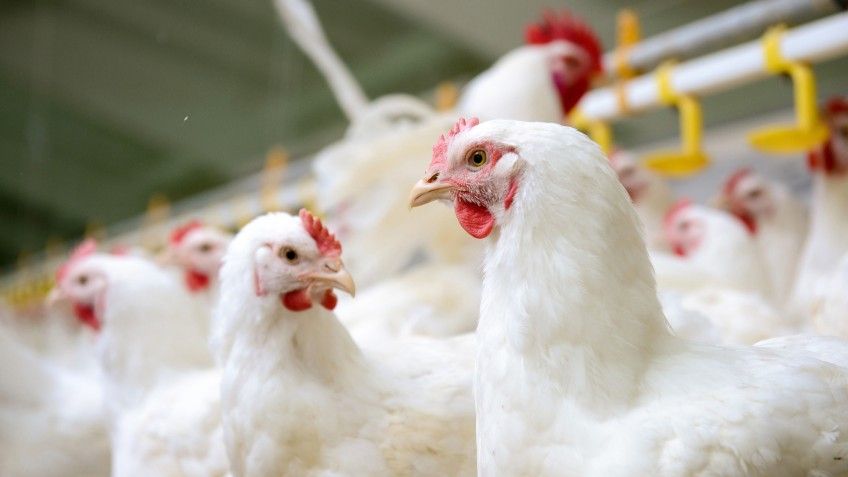
Broiler Hens Sale for Meat Purpose
Broiler hens can be sold to local chicken shops, meat markets, hotels, and restaurants for cutting purposes. Farmers can contact nearby poultry traders or meat retailers when the birds reach suitable market weight. Selling directly to local buyers may help farmers get better prices by reducing middlemen. Check the daily local chicken price before deciding when and where to sell. Proper weighing, healthy birds, and timely marketing can help farmers improve their returns.
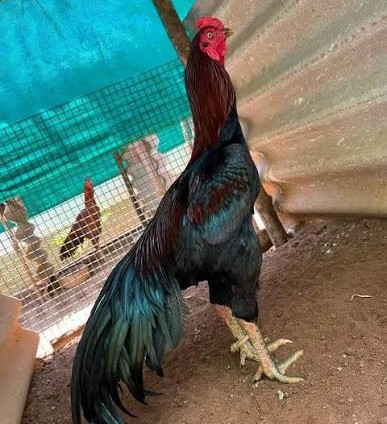
Cross Aseel Chicks – Meat Purpose
Aseel Cross chicks are a crossbreed developed from the native Aseel chicken and improved poultry breeds. They are known for good body strength, active growth, and better adaptability to local conditions. These chicks are suitable for meat production and can also be raised under backyard or semi-intensive systems. They generally have good feed-conversion ability and strong survival characteristics when properly managed. Aseel Cross chicks are a good option for farmers looking for hardy birds with good market value.
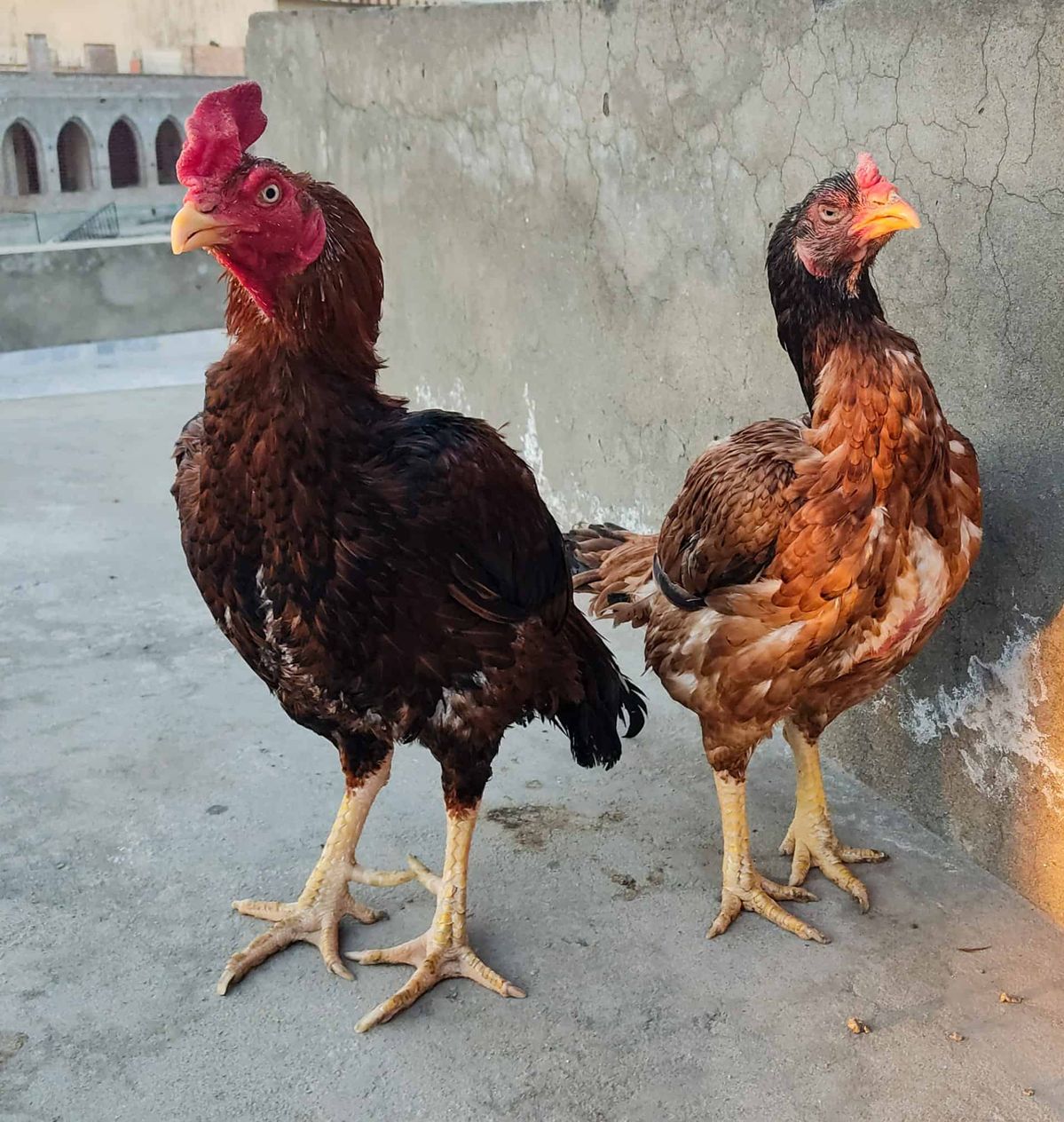
Pure Aseel Chicks – Meat Purpose
Pure Aseel chicks are a strong and hardy choice for meat production. They develop a powerful body structure and good muscle formation. Their active nature and natural hardiness make them suitable for backyard and farm rearing. Pure Aseel meat is valued for its traditional taste and firm texture. A good choice for farmers looking for quality, traditional Aseel birds for meat purpose.
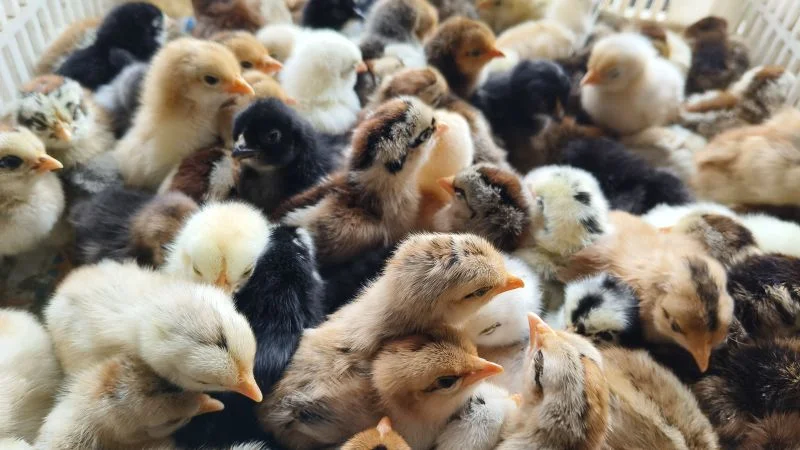
Pure Desi Chicks
Pure Desi chicks grow slowly compared to commercial broiler chicks. In the first month, they need good feed, clean water, and proper care.
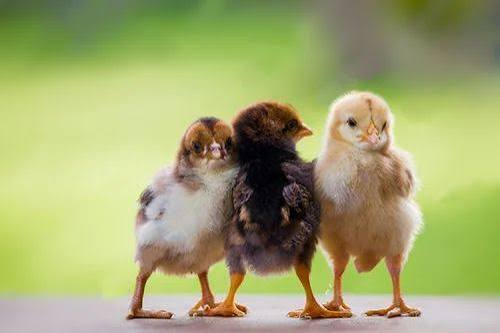
Kaveri Chicks
Kaveri chicks are a hardy improved chicken variety suitable for backyard and small-scale farming. They grow faster than many traditional Desi chickens and can adapt well to local conditions. They are mainly raised for meat and egg production. With good feed and care, they can reach a good market size in about 12–16 weeks for meat purposes. Kaveri birds are a good choice for farmers looking for easy-to-maintain birds with both meat and egg value.
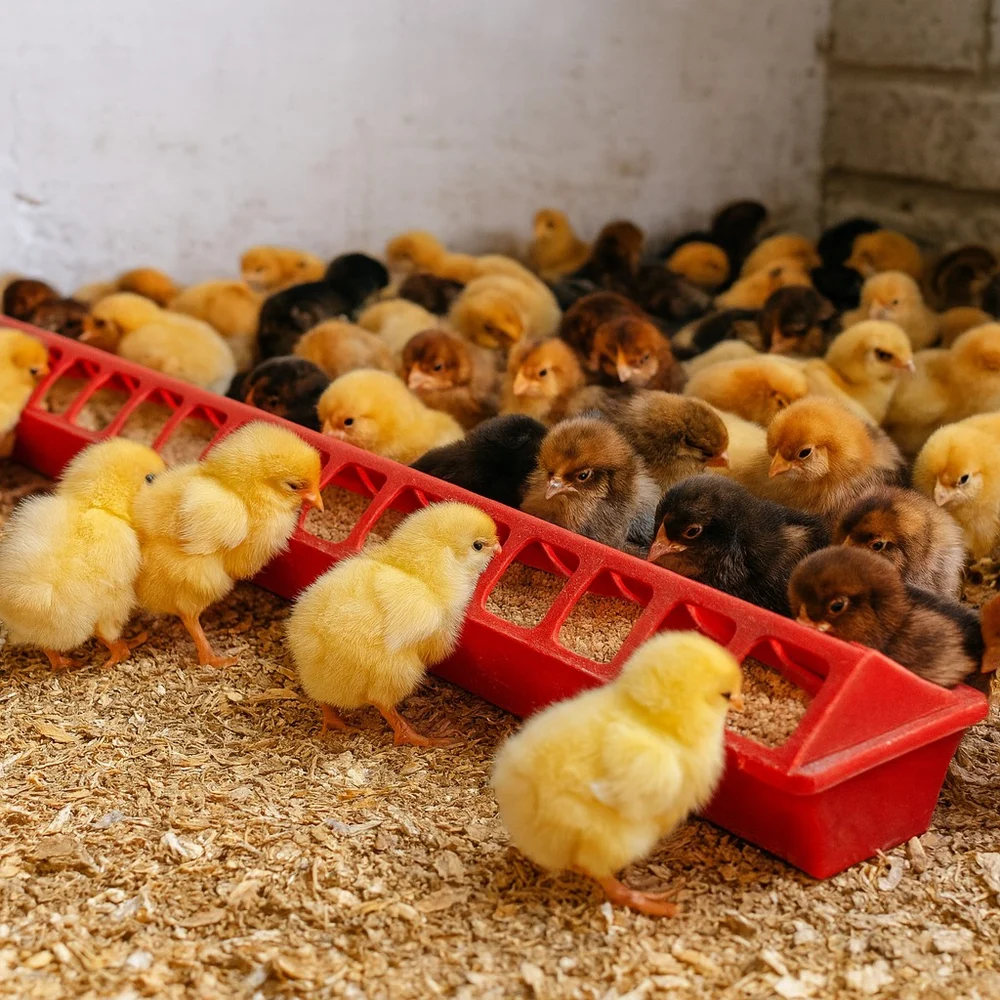
Sonali Chicks
Sonali chicks are a popular dual-purpose crossbreed well suited for both meat and egg production in backyard and semi-intensive farms. Known for their active foraging ability and resilience, they develop firm meat and steady weight under good poultry management.
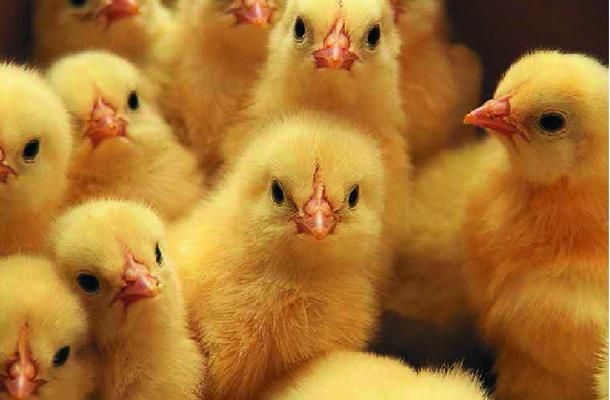
Peruvadai Chicks
Peruvadai chicks are a strong and hardy local chicken breed. They are suitable for backyard and free-range farming. These birds grow well in local weather conditions and are easy to maintain. Peruvadai chickens can be raised for both meat and egg production. With proper feed and care, they can provide good returns for farmers. Peruvadai chicks generally take around 4–6 months (120–180 days) to reach a good adult size, depending on feed, care, and the purpose of rearing. Good-quality feed and proper management can improve growth.
Aseel Fighter Chicks
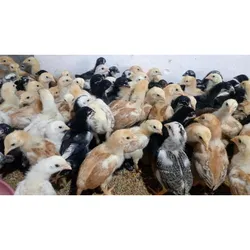
Aseel chicks are a traditional Indian chicken breed known for their strong body and active nature. They grow slowly compared with commercial broiler chickens and need good feed and care. For full body development, Aseel birds generally take around 6–8 months, depending on breed and management. They are mainly valued for their traditional breed characteristics, strong build, and good meat quality.
Aseel Fighter Breed – Parent Birds
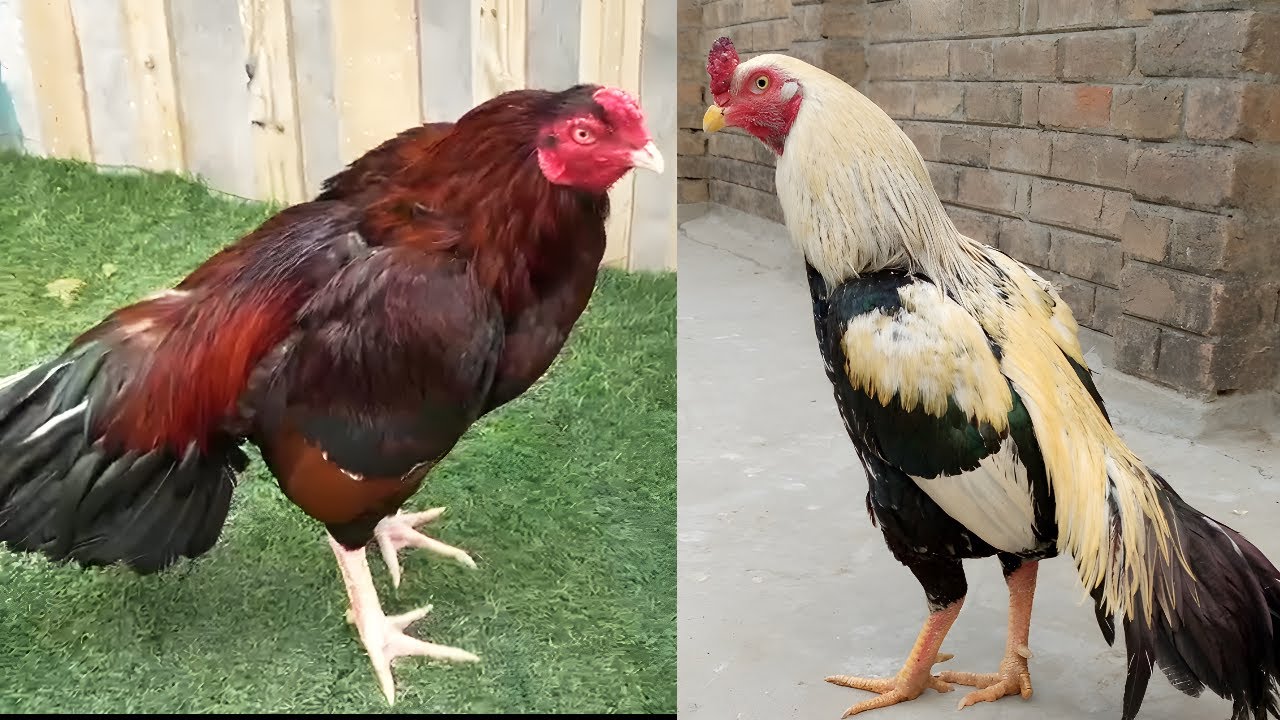
Aseel parent birds are traditional Indian chickens known for their strong body, sturdy legs, and active nature. Healthy male and female birds are selected as parent stock to produce good-quality Aseel chicks. Parent birds need a balanced diet, clean water, proper housing, and regular care for good breeding performance. Aseel birds grow more slowly than broilers, and full body development generally takes several months. Good-quality parent stock can produce strong and healthy Aseel chicks when breeding and management are done properly.
Vanaraja Multi-Color Chicks
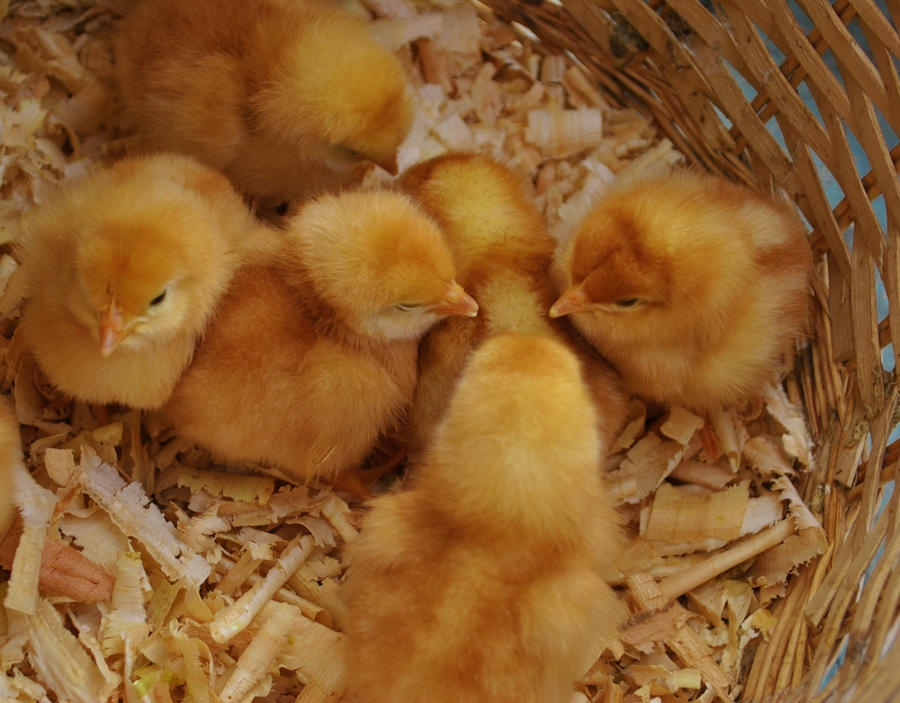
Vanaraja chicks are improved backyard poultry birds with attractive multi-colour feathers. They are suitable for both meat and egg production. They grow well under backyard, free-range, and semi-intensive farming systems. With proper feed and care, they can reach a good meat size in around 12–16 weeks. Vanaraja birds are popular with farmers because they are hardy, easy to manage, and suitable for rural conditions.
Vanaraja Single Color Chicks
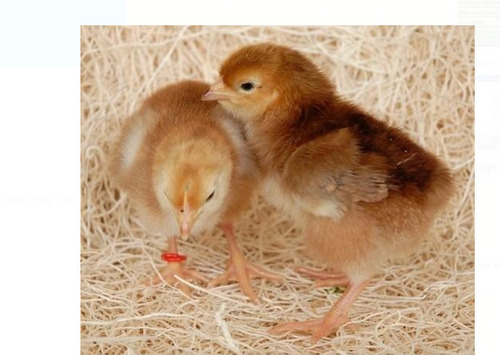
Vanaraja chicks are improved backyard poultry birds known for their good growth and hardiness. Single-color Vanaraja chicks are suitable for both meat and egg production. They can be raised in backyard, free-range, or semi-intensive farming systems. With good feed and proper care, they generally reach a good size for meat in about 12–16 weeks. They are a good choice for farmers looking for easy-to-maintain birds with good growth and market value.
Giriraja Multi-Color Chicks
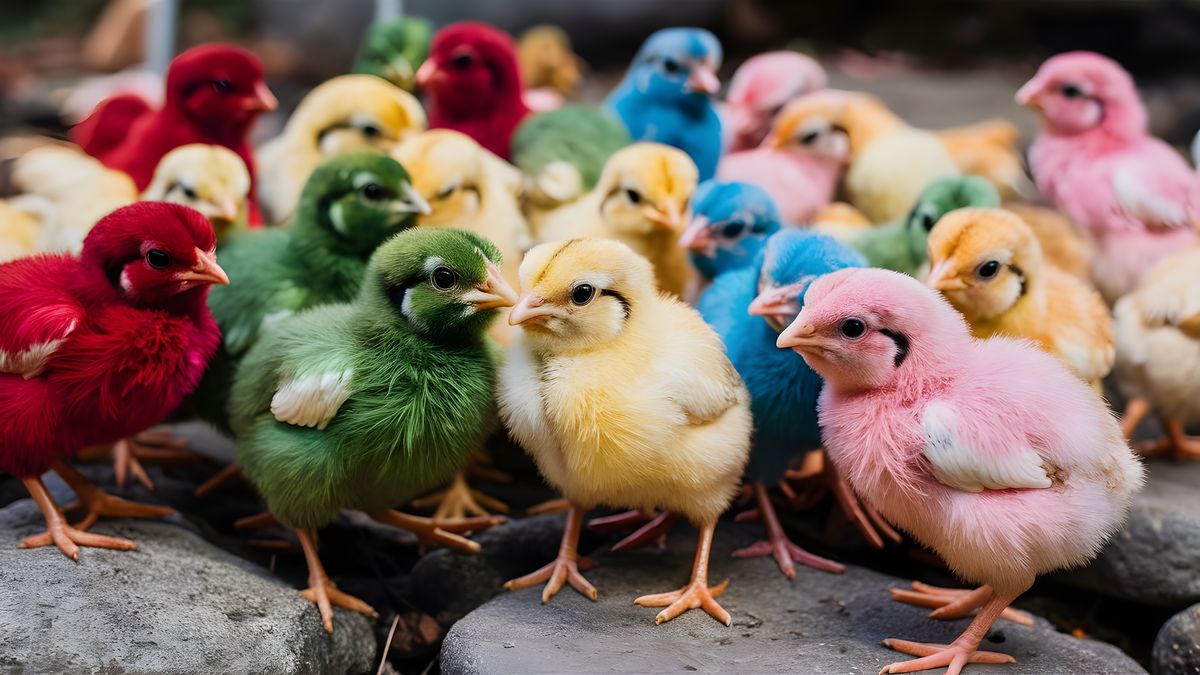
Giriraja is a dual-purpose chicken developed for good egg production and meat growth. The birds have attractive multi-coloured feathers, making them popular for backyard and farm rearing. They are known for good body weight and steady growth when given proper feed. Giriraja hens can produce a good number of eggs, making them useful for farmers who want both eggs and meat. The breed is suitable for free-range farming, where birds can forage naturally while receiving supplementary feed.
Guinea Fowl Chicks
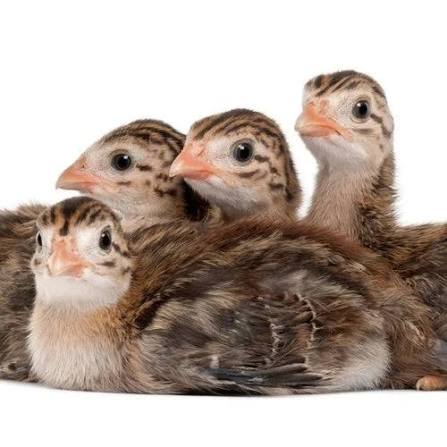
Guinea fowl chicks are hardy birds that are well suited to free-range and backyard farming. They are excellent foragers and can find insects, seeds, and other natural food while roaming outdoors. Guinea fowl are especially useful for insect control around farms and gardens. Their meat is valued for its lean, firm texture and distinct taste, giving farmers a different market option. Guinea fowl also produce small, hard-shelled eggs and can be a good choice for farmers looking for a low-input poultry bird.
Brown Layer Chicks
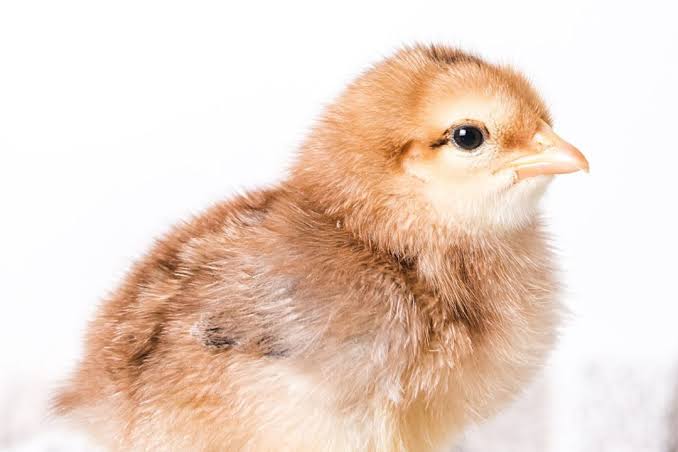
Brown layer chicks are mainly raised for high egg production, not for meat. They usually start laying eggs at around 18–20 weeks of age when properly managed. Good commercial brown layers can produce around 280–330 brown eggs per year, depending on the strain and management. They need a balanced layer feed with enough calcium to support strong shells and consistent egg production. They are a suitable choice for farmers who want regular egg income over a long laying period.

White Layer Chicks
White layer chicks are bred mainly for commercial egg production and efficient feed use. They generally start laying at around 18–20 weeks of age with proper management. Good white-egg strains can produce around 300+ eggs per year, depending on the strain and farm conditions. They are known for good egg production with relatively low feed consumption, making feed efficiency an important advantage. White layers are suitable for farmers who want to focus on large-scale, consistent egg production.